Best Stops Between Bangalore and Ooty for Scenic Road Trip
Have you wondered how a hill drive can feel relaxed, not rushed, even on a weekend?
This short guide shows you how a private cab or a planned self-drive makes that possible. The corridor spans a distance of about 270–281 km and usually takes roughly 6–7 hours without long breaks.
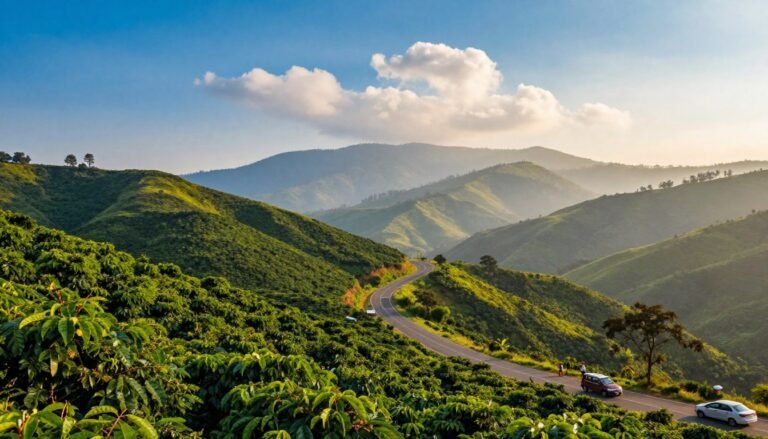
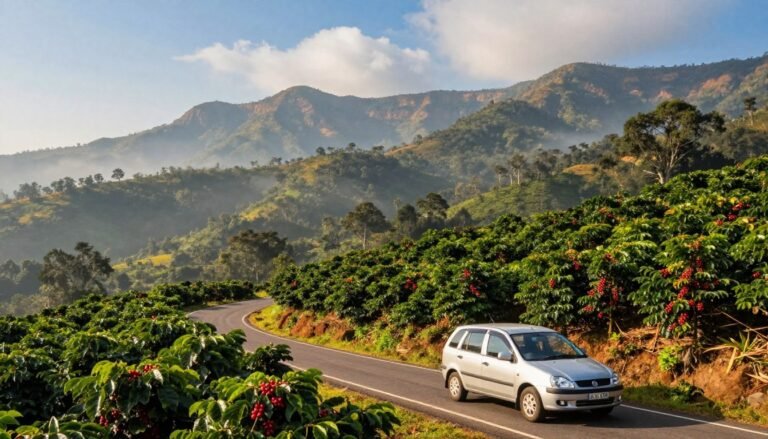
You’ll get clear advice on route options, realistic drive hours versus Google estimates, where traffic slows most, and what “scenic” really means here: cultural pauses near Mysore, calm forest stretches by Bandipur and Mudumalai, and the Nilgiri hill climb.
Budget items are simple: plan for tolls (₹660 one-way), parking, and driver allowance. Private cabs offer comfort, safety, and flexibility so you can focus on views, food, and photos.
Later sections will cover booking tips and how local operators like Shivaroute Services can help by offering transparent pricing and flexible stops, making your trip easier and more predictable.
Plan the Bangalore-Ooty road trip experience before you start the engine
A simple plan—one goal, a few smart pauses—turns a long drive into an enjoyable day out. Start by picking your main aim: wildlife spotting, temple visits, panoramic photo points, or a relaxed family ride. That single choice keeps your itinerary focused and stress low.
Know the basics
The distance is commonly about 270–281 km and the baseline drive is roughly 6–7 hours without breaks. Treat that as an all-day trip once you add breakfast, slowed forest stretches, and ghat pauses.
Build a flexible stopover plan
Structure the day as one cultural place + one forest pause + one ghat viewpoint. Plan one longer meal stop and 2–3 short photo or rest breaks. Leave buffer time for traffic near the city, Mysore, or the town entry.
- Match your plan with cab rules: confirm waiting policies, day limits, and extra-hour rates when you book a private car.
- Keep the pace flexible: enjoy nature and the road—perfection isn’t required, a smart sequence is.
Best time to visit Ooty for clear views and comfortable temperatures
Timing your trip matters—clear views and milder temperatures make the climb far more pleasant.
Best time visit window: October through June generally gives the most reliable weather and clearer views across the hills. This range balances cool mornings and pleasant afternoons for sightseeing and short hikes.
What peak season means for your drive: Popular months bring heavier traffic near city exits and popular viewpoints. Expect slower movement and possible queues, especially on weekend mornings and holiday periods.
- Winter (Oct–Feb): Crisp air and colder nights. Layer up for sunrise stops and plan for limited daylight on early departures.
- Summer (Mar–May): Warmer days and cool nights. Stay hydrated and take quick cooling breaks before the ghat climb.
- Practical tip: In busy months leave earlier and add buffer time so you don’t feel pushed to speed on narrow curves.
Season choice links to comfort and safety. Heavy traffic on winding sections can raise motion discomfort for some passengers. A calm departure time makes the ooty road trip safer and more enjoyable for everyone.
Choose your Bangalore to Ooty route: fastest, most scenic, or least stressful
A smart route choice balances highway speed, forest rules, and a gentler hill climb for passengers. Pick the way that fits who is traveling and how you want the day to feel.
Classic route via Mysore–Bandipur–Masinagudi (NH 275)
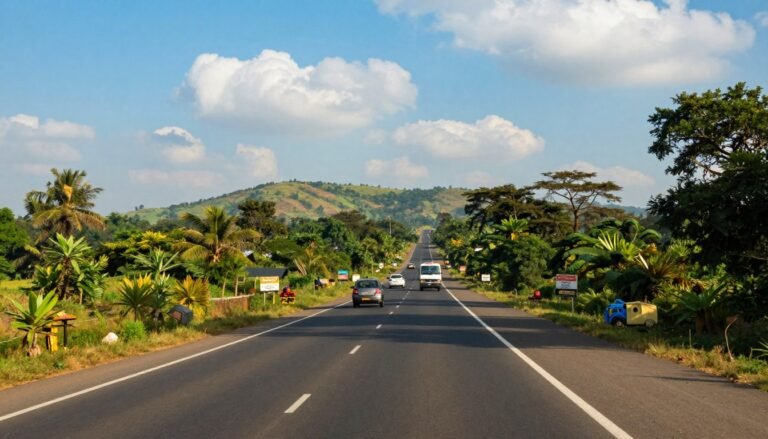
The most common route runs Mysore → Bandipur → Mudumalai → Masinagudi on NH 275. It pairs a smooth highway start with a scenic forest middle and a dramatic Nilgiri finish.
When alternative routes make sense
Use other routes if you expect city exit congestion, Mysore-area slowdowns, or peak-season crowding. Detours can save time and reduce stress when checkpoints or closures slow traffic.
Masinagudi vs. Gudalur: short climb or gentler curves
Masinagudi is typically shorter and steeper. Gudalur is longer but has gentler turns and suits passengers prone to motion sickness.
- Families or seniors: prefer the gentler Gudalur profile for comfort.
- Confident drivers: may opt for Masinagudi to trim distance if conditions are clear.
- Forest note: you move from Bandipur into Mudumalai tiger reserve in tamil nadu, so rules are stricter—plan daylight crossing.
When you book a private cab, drivers often advise the best way based on checkpoint timing and current conditions. Match your route choice to comfort, daylight, and how much distance you’ll trade for calmer driving on this road trip.
How long it takes from Bangalore to Ooty (and why it often takes longer)
Plan your day by thinking in hours, not just distance, and you’ll travel calmer and safer. The baseline drive time on this route is commonly about 6–7 hours without stops. That number is useful, but it rarely matches a relaxed road trip where you want meals, photos, and slow forest stretches.
Baseline vs. realistic timelines
Use two timelines: a no-stop baseline and a scenic timeline. The baseline assumes steady pace and no long pauses.
The scenic timeline adds 2–4 extra hours for meals, photo pulls, and wildlife slowdowns. For planning, budget that as a rule of thumb so your arrival feels calm.
Where delays happen and how to buffer
Common delay points are outbound city traffic, the Mysore bypass, forest checkpoint verifications, and slow-moving ghat sections near the hill climb.
- Tip: Leaving 60–90 minutes later can create big queue effects at city exits and near Mysore.
- Buffer strategy: add 1–3 extra hours on weekends, holidays, or after rain when speeds drop.
- Cab booking note: confirm whether your provider counts hours garage-to-garage or pickup-to-drop and ask about extra-hour charges if traffic runs late.
Treat time as a safety tool: less rushing means fewer risky overtakes on narrow curves and a more comfortable ride before the hairpin climb. This guide helps you set realistic hours for both self-drive and a hired cab so the trip bangalore plans stay on track.
Build your day plan with smart departure timing and forest road rules
Leave while the city sleeps and reach the forest gates with clear light and less traffic. An early exit helps you clear urban congestion and arrive at reserve stretches during daylight when driving is calmer and safer.
Leave early and watch gate time
Target departure: aim to be clear of city traffic by dawn. That way you enter the bandipur tiger reserve and Mudumalai sections in daylight.
Bandipur night restrictions
Night bans have been reported as 9 PM–6 AM. Rules can change, so confirm current gate time before you start. Gates may close earlier on certain days.
What forest rules mean on the road
Expect slow limits (commonly 30 km/h), no honking, and limited stopping near national park entry points. Enforcement is strict—respect signs and staff directions.
- Carry bottled water, simple snacks, and motion-sickness aids.
- Pack phone chargers, a power bank, and a basic first-aid kit.
- Check weather and plan for cooler air and sudden changes in nature sections.
Why a private cab helps: an experienced outstation driver knows checkpoint timings, the best way through closures, and how to pace a road trip bangalore for comfort. A little planning makes the forest stretch peaceful, not puzzling.
bangalore to ooty scenic stops that are actually worth pulling over for
A few well-placed stops give everyone time to stretch, eat, and enjoy real views without rush. Below are practical places that add value to your ooty road trip, each suited for a 20–60 minute pause.
Mysore: palace-city energy and breakfast
Best for a hearty breakfast, clean restrooms, and a quick cultural walk. Pick a café near the main road so you don’t lose time.
Nanjangud: the temple detour
About 13 km from Mysore, Srikanteshwara Temple—called “Dakshina Kashi”—is a short, meaningful visit. A 20–30 minute stop works well for prayer, photos, and calm reflection.
Gundlupet: sunflower-country photos
Drive past sunflower fields for quick, respectful photos. Keep stops brief and avoid crowding private farmland before the forest entry.
Bandipur & Mudumalai (Tamil Nadu): continuous forest calm
Expect a slow, quiet ride for wildlife viewing. Use short pulls for safe sightings, fresh air, and a mood reset.
Masinagudi: final refresh before the ghat
Grab a meal, refill water, and stretch here. It’s the practical last pause so your group starts the climb rested and focused.
- Why these places: each adds food, restroom access, brief culture, or wildlife chances without derailing your route.
- Works for cabs: drivers can time these pauses to match gate rules and daylight.
Scenic detours if you want to stretch the trip beyond the main highway
If you have an extra half-day, a short detour can turn the drive into a small adventure. Decide first whether you can arrive later or plan an overnight; detours add distance and time, and they should enhance the day, not rush the best ghat and forest sections.
Krishnagiri Dam — calm lakeside picnic
Krishnagiri Dam is an easy pull for a picnic-style break. It’s quiet, good for stretching legs, and feels different from highway rest areas.
Hogenakkal Falls — a rewarding deviation
Hogenakkal Falls is a bigger side trip that offers dramatic views and a riverside atmosphere. Treat it as a mini-adventure when you have extra time; it’s worth the longer route if you want a memorable natural stop.
Mettur Dam — wide-open landscapes
Mettur Dam slows your pace in a good way. The broad valleys and open water give you room to breathe and reset before the climb ahead.
Kottai Kovil (Mallikarjuneswara Temple) — heritage reset
This ancient temple offers heritage architecture and a calm cultural pause. A short visit here can refresh the group after hours on the road.
- Detour decision: add these places only if you have extra time or an overnight plan.
- Cab planning tip: confirm added kilometers, extra hours, and waiting charges with your driver before you start.
- Practical note: a detour should improve your trip, not force you to skip the best forest-and-ghat route later.
The Nilgiri climb: hairpin bends, viewpoints, and how to stay comfortable
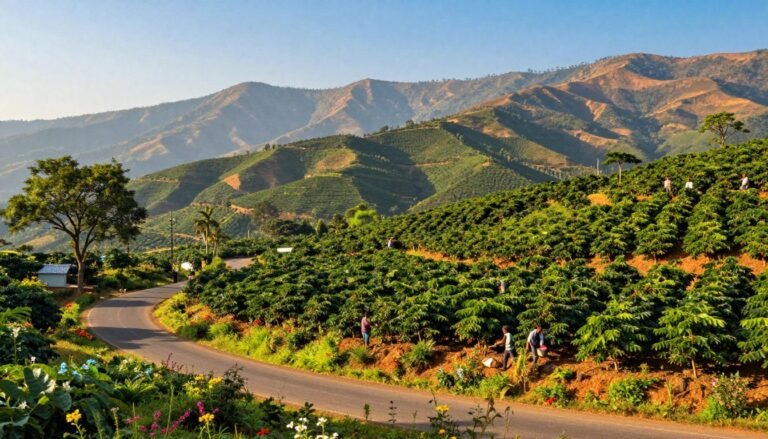
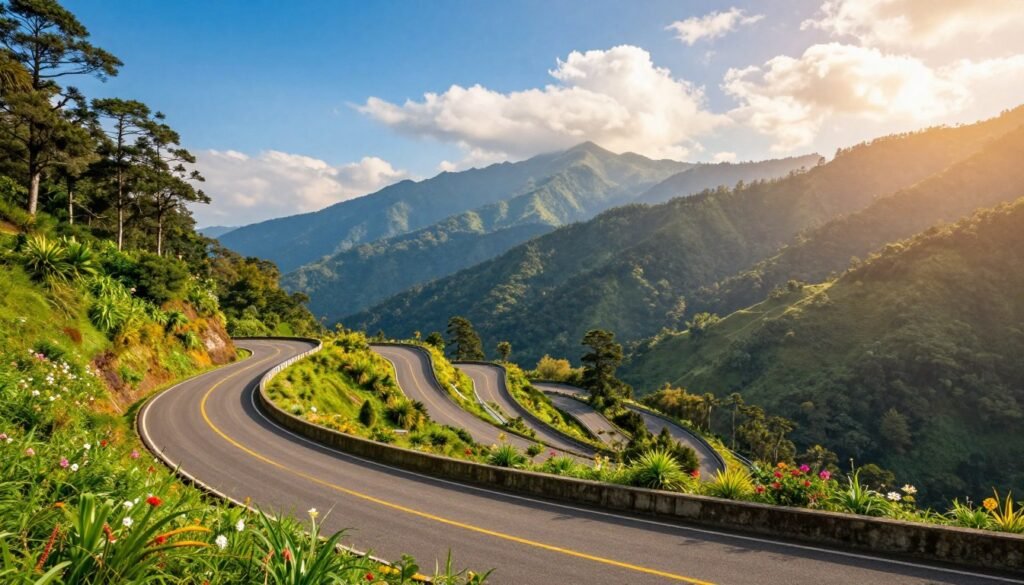
The Nilgiri climb delivers tight turns and sweeping views — know what to expect so the ride stays pleasant. The ghat famously has 36 hairpin bends that test driver skill and passenger calm.
What the 36 hairpin bends feel like
In the car you’ll notice short straights, repeated hairpin turns, and frequent speed changes. The bends demand steady braking and careful acceleration. This pattern makes the hills feel dynamic but tiring if you’re unprepared.
Comfort and safety playbook
- Motion-sickness steps: keep fresh air flowing, avoid heavy meals just before the climb, sit where you feel most steady, and pause if nausea builds.
- Brake and engine care: use engine braking on descents and moderate speed on turns to reduce jerky motion and overheating brakes.
- Smart photo breaks: stop only at safe lay-bys for a quick view of the valleys; never halt on blind curves.
Driver behavior that lowers risk
Avoid risky overtakes on tight bends, honk only where allowed, and yield to uphill traffic. An experienced cab driver paces the trip, manages brakes, and lets you enjoy the view and cool air without worry.
Add Coonoor to your Ooty road trip for high-impact views
A brief pull into Coonoor delivers big returns: sweeping Nilgiri views and a calm pause for the group. Treat it as an optional add-on that enhances your journey without wrecking arrival plans.
Dolphin’s Nose viewpoint: a quick win for Nilgiri panoramas
Dolphin’s Nose sits about 10 km from Coonoor and gives a bird’s-eye view of the hills. It needs almost no trek and works well for quick photos and fresh-air breaks.
How to time Coonoor as a stop without derailing your arrival plans
Plan Coonoor only if your forest crossing and ghat climb are on schedule. Add this place when you have a clear buffer of time, not when you’re running late.
- Keep the visit short: 20–30 minutes at the viewpoint resets passengers after many hairpins.
- Parking and waiting: confirm cab waiting fees and a 15–30 minute parking window with your driver.
- Practical route fit: use Coonoor as a mid-route bonus that keeps your final check-in time intact.
Make Coonoor a neat chapter in your road trip story—one that adds great views and calm time without derailing your plan for the evening.
What a private cab from Bangalore changes: comfort, safety, and flexibility
When you book a private cab, navigation, checkpoints, and pacing become someone else’s responsibility. That means your energy goes into enjoying the trip and the view, not handling directions or timing gate entries. A cab also helps groups stay calm during long stretches.
Why families prefer a driver for forest rules and ghat-road focus
If you travel bangalore with family, a professional driver eases the practical load. Kids get timely breaks, elders get smoother pacing, and the driver manages forest rules and slow ghat sections so you don’t.
Flexibility advantage: pause for weather, food, or quick lookouts
A cab gives you real flexibility during changing weather or unexpected photo chances. You can extend a meal or wait for clearer air without swapping drivers or rushing the group.
Comfort basics that matter on this route
Space and climate control: enough luggage room, steady AC before the climb, and fewer fatigue risks from long driving spells. That comfort directly improves safety on narrow curves and hairpins.
- Outsource navigation and rule compliance so your group relaxes.
- Great for family, corporate groups, couples, and repeat trips.
- Still plan the route, but a cab makes the plan easier to execute.
Cab fare, toll charges, and driver allowance: budget it like a pro
Knowing how fares and tolls add up makes budgeting for this trip straightforward. Start with the basics so you can compare quotes and avoid surprises.
Typical cost components
Base fare covers pickup and the first set of hours. Many providers offer per-km or per-day packages that bundle distance and waiting time.
Tolls and distance effects
Use ₹660 one-way as a planning number for tolls on the bangalore ooty road, then confirm the current total before travel. Extra distance from detours or sightseeing raises per-km charges and total hours billed.
Driver allowance, overnight, and parking
Driver allowance is common for outstation work and often increases if your itinerary includes an overnight stay or late returns. Parking fees apply at viewpoints, gardens, and popular places—carry small cash or UPI.
- Ask whether tolls are included or billed separately.
- Confirm if quoted fare is one-way or return and how extra hours are charged.
- Check overnight and allowance policies before booking.
Quick tip: Get a written fare breakdown when you book. Clear numbers protect your budget and keep your travel bangalore guide simple and stress-free.
Booking tips for a Bangalore-Ooty cab that won’t derail your itinerary
A clear booking checklist is the single best way to keep your road day calm and predictable.
Before you confirm, ask these questions and note the answers. Use them as your booking script so the driver and you share the same plan.
Question-led booking checklist
- Which route or routes do you recommend today, and does Bandipur timing affect that way?
- How many short stops are comfortable without extra charges, and what is the waiting policy at Mysore or Nanjangud?
- Is pricing clear—hours, per-km, tolls, and driver allowance written in the quote?
Vehicle and timing checks
- Vehicle readiness: strong brakes, good tires, reliable AC, and enough power for hill climbs.
- Pickup time and day limits: confirm whether time is hours-based or km-based and what happens if traffic runs late.
- Paperwork reminder: valid interstate documents for Karnataka–Tamil Nadu checkpoints.
Practical tip: Compare a few providers, including Shivaroute Services, for transparent pricing and flexible scenic stop planning. The right questions upfront usually create the smooth, no-surprises trip you want.
Road-trip safety and ride comfort checklist for the Nilgiris
Quick pre-drive checks and simple habits keep the road comfortable and reduce risk on narrow bends. Use this short guide as a practical checklist before you head out, whether you drive yourself or hire a cab.
Weather checks and monsoon caution
Check the weather the night before and again before departure. Heavy rain makes the ghat slippery and visibility can fall fast.
In monsoon, increase buffer time, slow early, and avoid late drives through the national park when gates may close or visibility is poor.
Essentials to pack
- Water & easy snacks: keep people hydrated and steady energy between places visit.
- Chargers & power bank: phone and navigation must stay alive in reserve stretches.
- First-aid kit: bandages, motion-sickness remedies, and basic meds for minor needs.
Forest etiquette and smart stopping
Follow posted speed limits, avoid honking, and never feed wildlife. Keep wildlife viewing brief and off the carriageway.
Stop smart: park only at lay-bys or designated areas—do not halt on blind curves or narrow shoulders.
- Schedule micro-breaks for fresh air and to reduce motion discomfort in the cabin.
- Avoid heavy meals before the ghat; light food helps steady the stomach.
- Maintain steady speed, patience, and clear communication with your driver for a calm trip.
Small habits—planning, steady driving, and respect for nature—make this road trip safe and enjoyable. Use this checklist as your quick pre-departure routine and travel with confidence.
Turn your drive into a story you’ll want to repeat
Turn a long day on the road into a memory by planning for calm moments, not constant motion.
Pick one clear goal, choose the route that favors comfort, start early, and keep your list of places visit realistic for the time you have. This simple formula makes the 270–281 km distance feel like a relaxed road trip rather than a race.
Some of the best memories come from a quiet breakfast, a slow forest drive, and a few well-timed viewpoints in the hills. Treat hours honestly: add buffers so the ride stays safe and enjoyable.
Travel responsibly through Karnataka and Tamil Nadu reserve corridors—respect rules and wildlife. If you prefer an organized option, compare outstation cabs (including Shivaroute Services) for transparent pricing and flexible scenic planning.
With comfort-first choices, your bangalore ooty trip becomes the kind of adventure you’ll happily repeat.