Bangalore to Mysore Highway Guide: Toll, Route & Travel Time
Have you ever wondered which route will give you the fastest, least stressful trip and the best stops along the way?
This short intro tells you what you’ll learn: the quickest expressway option, a scenic alternate road, typical toll costs, and realistic travel time windows.
We set a clear baseline: expected distance ranges, common slow zones near city exits and toll plazas, and when traffic may add extra minutes.
If you’re planning for family comfort, a flexible private cab is often the safest and most convenient choice. You’ll also get tips on FASTag prep and budgeting for weekend peaks.
We preview two main routes—NH-275 expressway and the NH-948 alternative—and show how to pick based on time, traffic, and detours.
By the end of this piece, you’ll know the typical travel time, what tolls to expect, and simple stop ideas for fuel and meals so your trip stays smooth.
Trip snapshot for Bangalore Mysore: distance, travel time, and what to expect
Quick numbers up front: road distance ≈ 142 km via NH-275, aerial distance ≈ 128 km, and the NH-948 alternate is about 160 km.
Typical travel time in normal weekday traffic averages ~3 hours. Expressway runs can drop to ~2–2.5 hours depending on entry/exit points and toll flow.
What to expect: city exits and toll plazas cause most delays. Weekends and holidays add extra minutes as Bengaluru exits clog up, so plan a buffer.
- Snapshot box: road vs aerial distance — maps show straight-line distance, but driving adds diversions and bypasses.
- Time ranges: weekdays ~3 hours; smooth expressway runs ~2–2.5 hours; weekends/peak days add 30–60+ minutes.
- Key road names: Mysore Road, NH-275, and the Bengaluru-Mysuru Expressway (BMEC) are the main labels you’ll see on navigation apps.
Rule of thumb: leave early, keep a 30–60 minute buffer, and expect last-mile delays near Mysuru city areas. For cab travelers, accurate distance and time estimates help calculate tolls, driver allowance, and parking charges.
Why this drive is worth it: from Bengaluru’s bustle to Mysuru’s City of Palaces
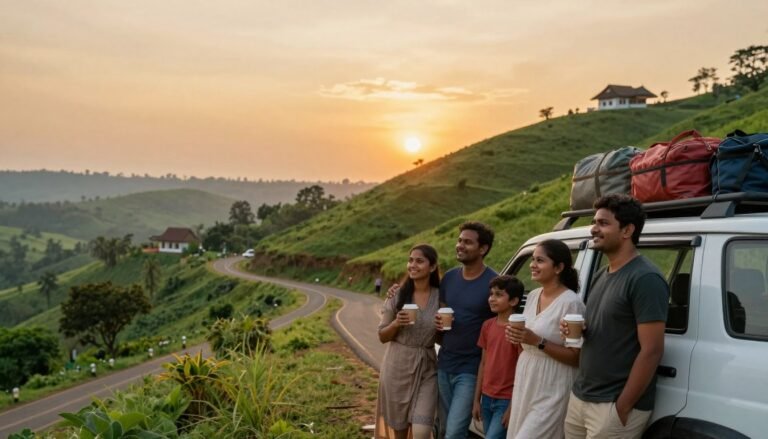
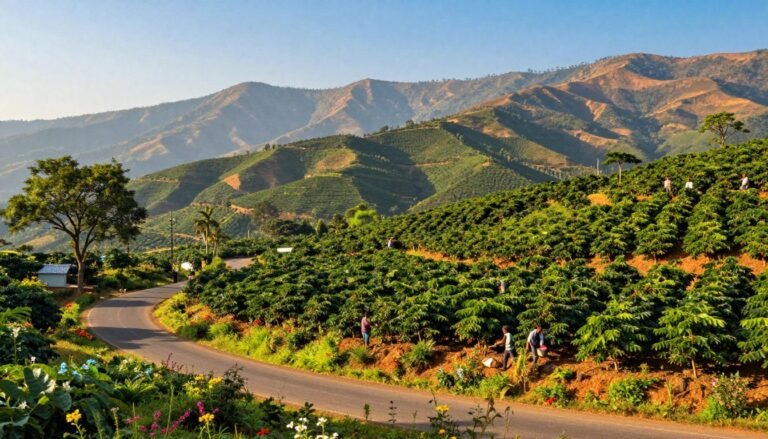
The shift from urban bustle to rural open road is what makes this trip special. As you leave the city, heavy traffic eases and you get stretches of farmland, small towns, and wide sky. That change alone gives a renewed sense of calm and a true road trip experience.
How the trip experience changes once you leave the city
Noise and stops fade. The roads open up and views become part of the journey. You pass village markets, lakes, and roadside eateries that add local color.
Best use cases for families, groups, and weekend getaways
- Families: door-to-door comfort and easy rest stops for kids and seniors.
- Groups: shared time on the way and flexible detours for quick sightseeing.
- Couples: short weekend breaks with palace visits and relaxed pace.
A private cab makes this simpler: you can rest, snack, and plan stops without driver fatigue. If you leave at a smart hour and pick one solid break, weekend travel is still worth it for the calm, culture, and the City of Palaces appeal.
Understanding the Bengaluru-Mysuru Expressway (BMEC): lanes, safety, and speed limits
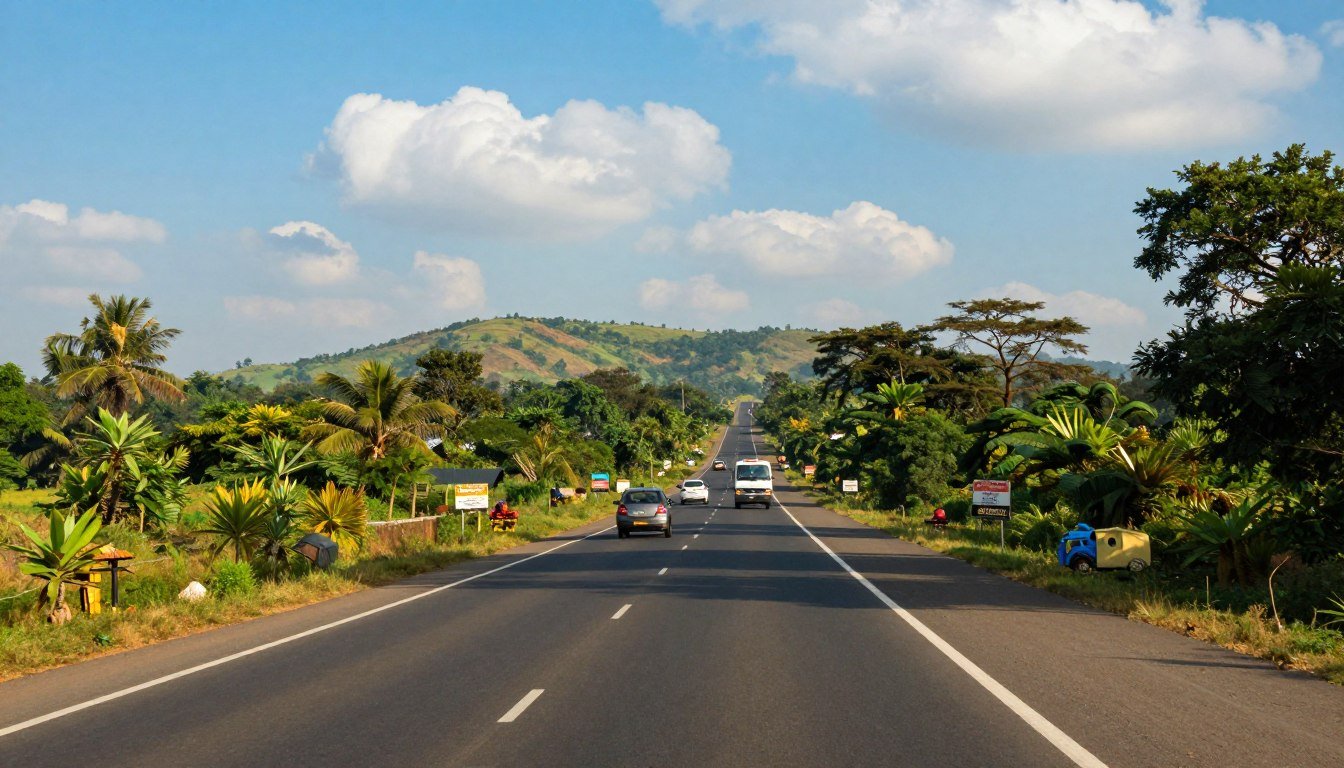
The mysore expressway is an access-controlled expressway built as a greenfield corridor to move long-distance traffic faster and safer. It opened around March 2023 and is part of the Bharatmala scheme, with a project cost of about ₹8,066 crore.
Project highlights: the design includes 17 flyovers and 41 underpasses that cut through town-level signals. These features reduce stops and keep traffic flowing on the main carriageway.
Speed and safe driving: posted speed limit signs commonly show a speed limit of 100 kmph for cars, though limits can vary by stretch. Follow the signs, avoid sudden lane changes, and keep a safe gap even when the road looks clear.
Two-wheelers and service roads: two-wheelers are typically not allowed on the main expressway. Riders use service roads for local travel where provided. This separation improves safety for all vehicles and lowers crash risk on the main lanes.
- What access-controlled means: limited entry/exit points, fewer intersections, and controlled movement.
- Practical reminders: seatbelts for all, no stopping on the carriageway, and child seats where possible.
- For cab riders: your driver should follow posted limits and avoid risky overtakes—this keeps travel time reliable and safe.
bangalore to mysore highway guide: choosing the best route for your trip
Picking the right road can turn a routine trip into a calm, efficient journey or a slow scenic escape.
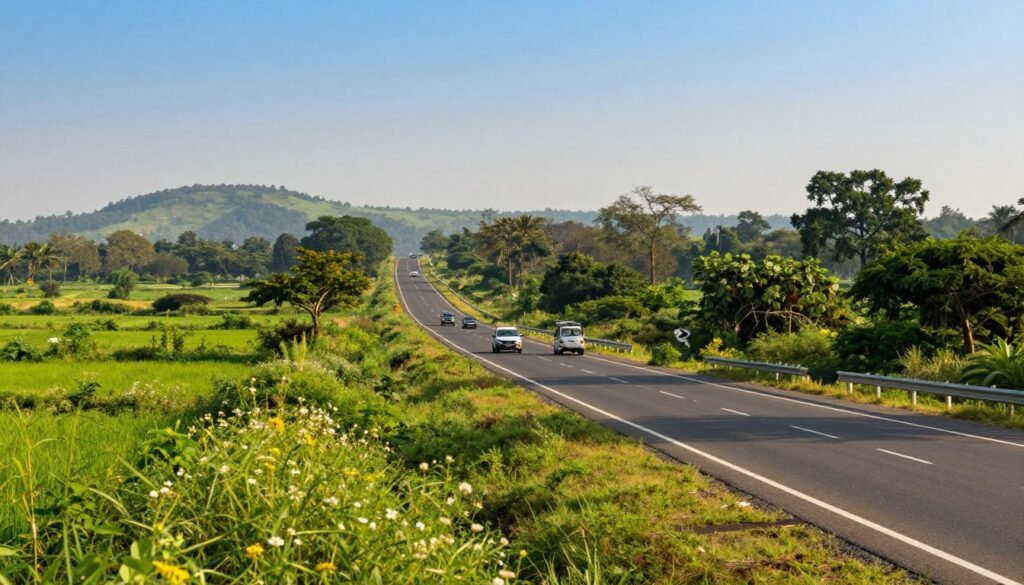
Use this short decision framework before you start. Match your priorities—time, comfort, detours, and budget—and pick the route that fits your plan.
- Speed: choose the expressway when you have tight schedules or prefer a smoother ride. It usually saves the most time and cuts stop-and-go traffic.
- Comfort: families and senior travelers benefit from predictable travel time and fewer lane changes on the expressway.
- Detours and scenery: pick the NH-948 alternate if you want nature stops, temple towns, or a different road-trip vibe.
- Budget: the expressway gives predictable tolls; alternates can lower toll costs but add fuel and extra time.
- Timing: avoid late starts on busy weekend dates—peak traffic can make the fastest option feel slow.
Cab tip: confirm your preferred route when booking so the driver follows your plan and doesn’t switch routes mid-trip without telling you.
Fastest route via NH-275 expressway: Bangalore to Mysore via Mysore Road
The NH-275/Mysore Road route is the fastest practical line for most travelers. Follow this clear order of towns so you can track progress and brief a cab driver easily.
Route map and major towns
Order on maps: Bengaluru – Kengeri – Bidadi – Ramanagara – Channapatna – Maddur – Mandya – Srirangapatna – Mysuru.
Realistic drive time and common slowdowns
Typical travel time on the expressway is about 2–3 hours depending on traffic. Weekdays outside peak hours can be closer to 2–2.5 hours; weekends often add 30–60 minutes.
Slowdowns usually occur at city exits, toll plaza bunching, and merge points near bypassed towns. Plan a 30–45 minute buffer for breakfast and restroom stops.
Quick detours that keep you on schedule
- Short stop at Channapatna for wooden toy shops — 15–20 minutes.
- Quick viewpoint near Ramanagara or Ramadevara Betta — 20 minutes max.
- Near Mysuru: brief visits to Srirangapatna spots like Daria Daulat Bagh or Ranganathittu if daylight allows.
Cab tip: For family comfort, plan one longer break rather than many short ones. Check live traffic before you leave so you can pick the best entry point onto the expressway and confidently cover bangalore mysore in the expected time taken.
Scenic alternate route via NH-948: Bangalore-Kanakapura-Malavalli-Bannur-Mysore
If you prefer views and short nature stops over shaving minutes off your clock, the NH-948 option is worth a look.
Distance and time taken compared with NH-275: NH-948 runs about 160 km, roughly 15–20 km longer than the expressway route. Expect extra time in normal traffic—plan for 30–60 minutes more depending on stops and crowding.
Road-trip style highlights: this way gives reservoir views and waterfalls rather than nonstop lanes. Key detours include Mekedatu Dam and reservoir, Chunchi Falls, Shivanasamudra Waterfall, and the Talakadu temple site. Waterfalls are best after monsoon; reservoirs are scenic year-round.
- Compare: longer distance, more time, richer nature stops.
- Great pick when you are not rushing and are traveling daylight hours.
- Plan: agree detours with your cab driver upfront to avoid fare or waiting surprises.
Practical cautions: popular spots can add large delays on weekends. Stick to well-known stops and avoid late-night waterfall walks for safety when traveling bangalore mysore.
Toll charges on Bangalore-Mysuru highway: what you’ll pay in 2026 and how it’s calculated
A clear toll plan keeps your cab costs predictable and your travel stress low. Below is a simple breakdown of typical fees, what “fixed up to 60 km” means, and FASTag tips to save time and surprises.
Typical range: many toll booths use a slab model. Expect a standard slab around ₹200–₹250 fixed up to 60 km, with post-cap charges of roughly ₹1.5–₹2 per km after that.
- Vehicle examples: Car/SUV/Van — ₹155 one-way (₹255 return).
- LCV/LGV — ₹235 one-way (₹375 return).
- Bus/Truck — ₹525 one-way (₹790 return).
What “fixed up to 60 km” means: if your entry and exit fall inside a 60 km slab you pay the slab rate. Travel further and the extra kms are billed per km. That is why two trips on the same expressway can cost differently even on the same date and time.
FASTag tips: keep a healthy balance, mount the tag cleanly, and link one payment method. Mixed cash and FASTag lanes cause queues during peak departure times.
For cabs, always confirm whether tolls are charged at actuals, included in the fare, or billed separately. That avoids billing surprises at drop-off.
Entry exit points and access control: getting on and off the expressway smoothly
Planning where you will enter and leave the expressway makes cab pickups smoother and safer. The mysore expressway is access-controlled, so using the nearest legal ramp affects ETA, tolls, and safety.
Common ramps and practical meeting spots
- Near city exits: Kengeri and Nayandahalli are common entry points for pickups inside the city limits.
- Mid-corridor ramps: Bidadi, Ramanagara, and Channapatna serve as sensible meeting places for short waits.
- Outer towns: Maddur, Mandya, and Mysuru outskirts are the main exit points for final drop-offs.
Service roads and local connectivity
Service roads run alongside the main lanes and link bypassed towns. They are slower but are where fuel, food, and shops sit.
Two-wheeler note: two-wheelers usually must use service roads, not the main carriageway. This keeps the expressway traffic steady and safer for higher speeds.
Quick tips for smooth pickups and last-mile plans
- Pick a landmark close to an official ramp to avoid unsafe roadside stops.
- Confirm which exit points your driver will use so you can plan walking time to hotels or attractions.
- Remember: a nearby exit point may still add 10–25 minutes of city driving after you leave the expressway.
Traffic, timing, and best dates to travel for a smoother Bangalore-Mysore road trip
Early-morning departures often save the most time and keep stress low on busy city exits. Leave between 5:30–7:00 AM if you can. That window usually skips peak city congestion and shortens your overall travel time to the expressway.
Best time of day to beat city traffic leaving Bengaluru and entering Mysuru
Start before 7 AM from central areas to avoid the worst bumps. If you can’t, target mid-morning after 10:30 AM when local school and office peaks ease.
Coming back, leave Mysuru before 3 PM or after 7 PM to dodge two-sided traffic that builds around popular attractions.
Best seasons to go: winter and post-monsoon comfort windows
The most comfortable months are December–February and September–November. Cooler, dry roads and clearer visibility make this ideal for families and seniors.
Why it helps: better weather reduces unscheduled stops and makes a single planned break enough for most trips.
What tends to change on weekends, holidays, and during roadwork
- Weekends and public holidays bring heavier traffic, longer toll queues, and crowded breakfast stops—add 30–60 extra minutes.
- Roadwork or maintenance may shift lanes or add diversions; rely on live maps and local alerts.
- Keep a 30–60 minute buffer on busy dates and confirm your driver’s reporting time—this secures the best slot and avoids surprises.
Private cab fare from Bangalore to Mysore: real cost breakdown beyond the base price
A transparent fare breakdown keeps your travel budget realistic and stress-free. Start with the base package, then add predictable extras so you won’t face surprises at drop-off.
What’s usually included vs extra
- Included: base fare for the set distance, limited hours, and a small number of km.
- Extras: tolls (typical car one-way ₹155, return ₹255), parking, state taxes, and extra km or hour charges.
- Driver allowance: daily or per-trip driver pay that varies with trip length and time of day.
Estimating total trip cost
Use this simple formula: (base fare) + (toll estimate) + (parking) + (driver allowance) + (extra km/hour). That gives a planning number you can compare across vehicles.
One-way vs round-trip and vehicle choices
- One-way: best for point-to-point travel; you only pay for distance used.
- Round-trip: often better value for same-day returns—driver allowance and waiting time are clearer.
- Vehicles: sedan for 2–3 with light luggage; SUV for more comfort on longer runs; 7-seater people-movers for larger groups and extra bags.
Quick tip: always ask for a written fare breakup before confirming. A small extra fare for a larger vehicle can be worth the added comfort, space, and lower stress during the trip.
Booking tips for a safe, comfortable cab ride from Bangalore
A short booking checklist saves time and keeps surprises out of your trip day.
Pickup planning: city pickup vs Kempegowda International Airport
Choose a low-traffic meeting point near an official ramp. That reduces idle time and avoids unsafe roadside stops.
If you need a pickup at Kempegowda International Airport, confirm terminal pickup rules, probable parking charges, and realistic exit times. Airport pickups often add 10–20 minutes for queuing and clearance.
Questions to confirm before paying
- Which route will you take (NH-275 or NH-948)?
- Are tolls included, or will they be paid at actuals?
- Is waiting time chargeable and at what hourly rate?
Safety checks and driver details
Ask for driver ID, vehicle RC, and FASTag readiness. Visually check tires, seat belts, and basic comfort for night travel. Confirm driver allowance policy and how extras are handled if you extend the trip.
Why a private cab helps: you get door-to-door comfort, flexible stops, and easier pacing when traffic fluctuates. For clear pricing and flexible routing, consider Shivaroute Services as a calm, reliable option when you want straightforward booking and peace of mind.
Best stops on the way: quick sightseeing, family breaks, and fuel planning
A few well-timed stopovers make the trip kinder on kids, seniors, and the clock. Pick “high reward, low time” stops near Ramanagara, Channapatna, and Srirangapatna so you enjoy the experience without losing half the day.
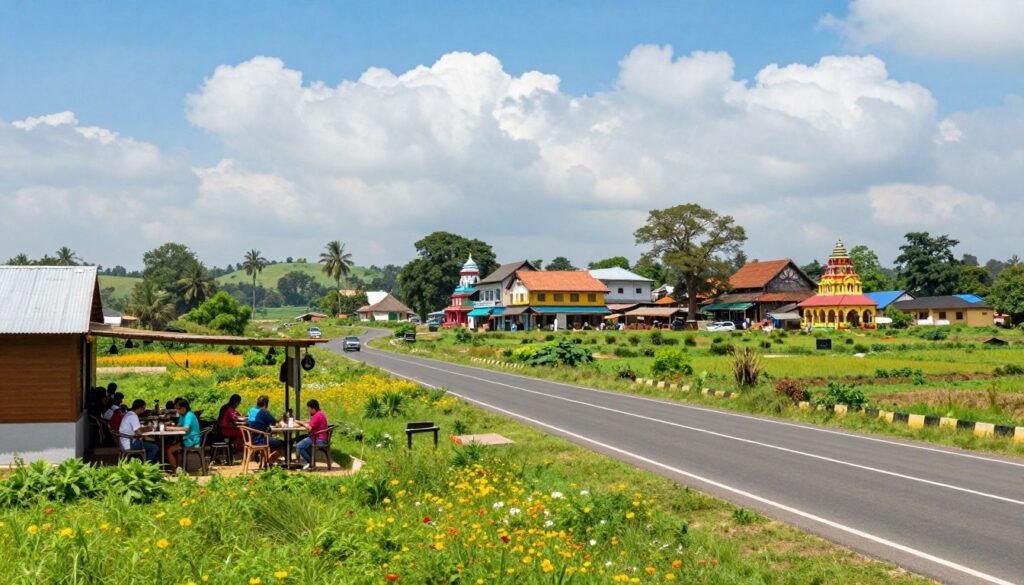
Popular stopovers that fit a tight schedule
- Ramadevara Betta — quick viewpoint and short walk (20–30 min).
- Channapatna — toy shops for a 15–20 minute stretch and local shopping.
- Ranganathittu / Daria Daulat Bagh area — birdwatch or a short palace visit if time allows.
Kid-friendly breaks and short nature detours
Aim for one longer playground-style stop rather than many short halts. Kanva Reservoir or a small sanctuary walk offers open space for kids and seniors to move safely.
Fuel, restrooms and bypass planning
- Fuel strategy: top up before the longest uninterrupted stretch and use well-reviewed highway stations.
- Restrooms: choose documented service-road facilities near bypassed towns rather than quick shoulder stops.
- Cab tip: ask your driver for official pull-in points; they know safe entries off service roads.
Keep sightseeing tight if you need to cover bangalore mysore by lunch or check-in time. With a simple plan you get the best experience and avoid traffic surprises while crossing these towns and roads.
Where to eat along Mysore Road: dependable highway meals and local favorites
A few reliable stops on Mysore Road will keep your group fed, comfortable, and on schedule. Pick clean, family-friendly places that serve fresh food and have safe restroom facilities.
Reliable vegetarian stops and quick bites near Maddur and Srirangapatna
- Kamat Lokaruchi — best for a full vegetarian breakfast or lunch; clean restrooms and quick service.
- Maddur Tiffany’s — the go-to for fresh Maddur vada and quick tea; stop early so the vada is hot and crisp.
- Thotada Mane — traditional thalis and homestyle meals; good for a relaxed lunch if your schedule allows.
What to try and how to time your stop
Must-try: Maddur vada — order it when you first reach Maddur so it’s fresh. If you leave early, plan a short breakfast break; otherwise choose a quick snack stop and aim for a light meal after check-in.
- Quick bite vs full meal: pick a snack if you’re racing the clock; choose a thali for a relaxed mid-trip lunch.
- Pacing tip: eat earlier than usual to avoid busy lunch queues and protect your ETA.
- Cab comfort tip: scheduled stops reduce roadside pulls and keep the trip calm for kids and seniors.
Carry water and light snacks for the in-between stretches, especially when traveling with children. That small habit improves the overall road experience and keeps everyone comfortable.
Wrap-up: plan your Bangalore-Mysore highway trip with the right route, budget, and comfort level
Before you leave, lock in the route, confirm tolls, and finalise the cab details.
Choose NH-275/BMEC for the fastest run and NH-948 if you want scenery. Expect realistic travel time windows: about 142 km via NH-275 and roughly 160 km via NH-948. The expressway corridor measures near 117–120 km on some maps, so check your bangalore mysore distance in your app.
Plan for toll charges under the “fixed up to 60 km” model and keep FASTag topped up. Confirm vehicle choice, driver allowance, parking, and whether tolls are billed at actuals.
Final safety checklist: verified driver ID, seatbelts, planned stops, and no roadside halts on access-controlled lanes. For a calm, reliable outstation cab experience, consider Shivaroute Services when travelling bangalore mysore.