Bangalore to Ooty Ghat Road Driving Tips for First-Time Travellers
Have you ever wondered why a mountain pass feels so different than the plains and how that changes your whole trip?
This guide sets calm expectations for first-time Nilgiris travelers. You’ll get clear costs for cab fares, tolls, and driver allowance. We also explain route options, travel time, and simple booking advice.
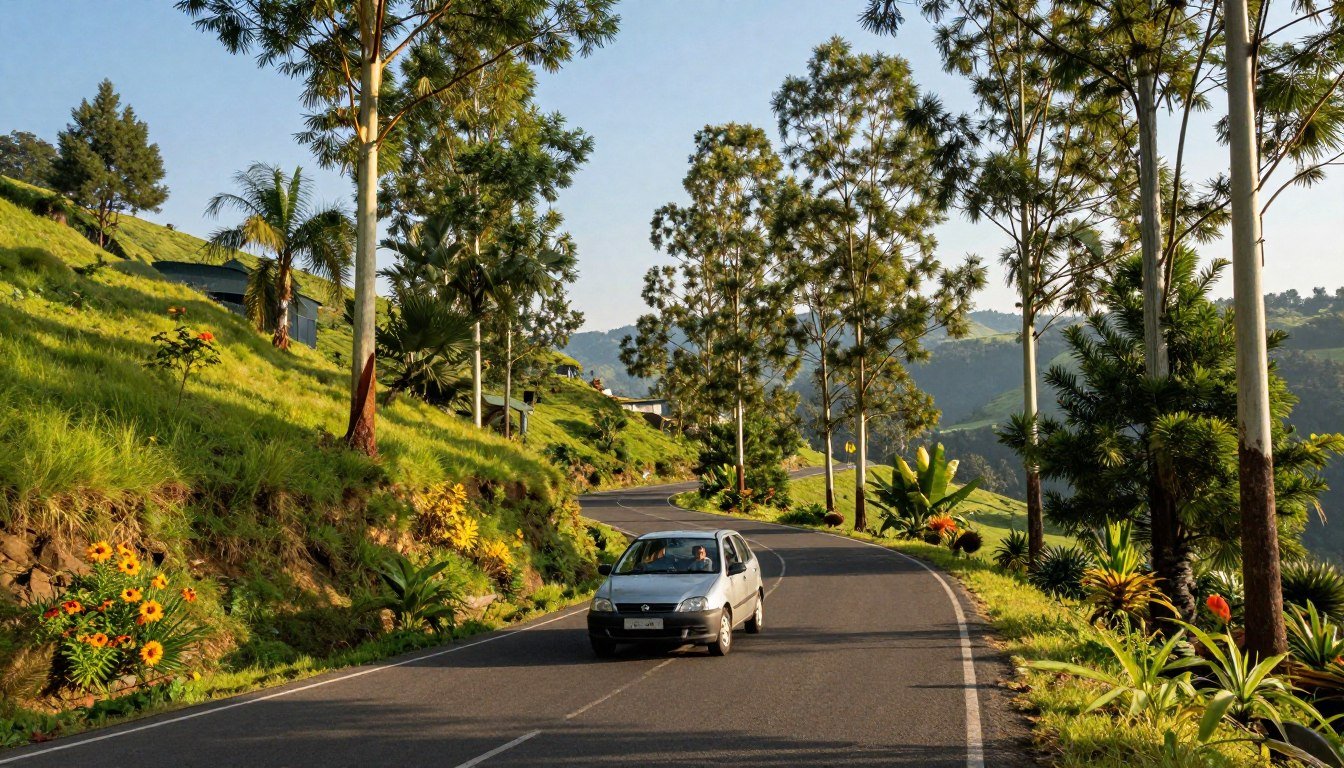
Note that ghat roads make cars act differently: braking, gear use, and sharing lanes with oncoming traffic all change. Most incidents come from overspeeding, poor gear control, and unsafe braking habits. Learn the unwritten rules that keep you safe.
Private cabs offer comfort, safety, and flexibility, and we’ll briefly show where Shivaroute Services can help without pressure. This piece covers route choices, what the ghat section feels like, budgeting for a cab, and core driving ghat advice to lower stress and risk.
Use this article in three steps: plan timing and costs, review technique for hairpin bends and brakes, then check cab-booking notes if you prefer not to drive. You’ll reach your destination more relaxed and ready to enjoy the view.
Trip planning basics for Bangalore to Ooty by road
Smart planning — from departure hour to driver allowance — keeps the journey smooth and safe.
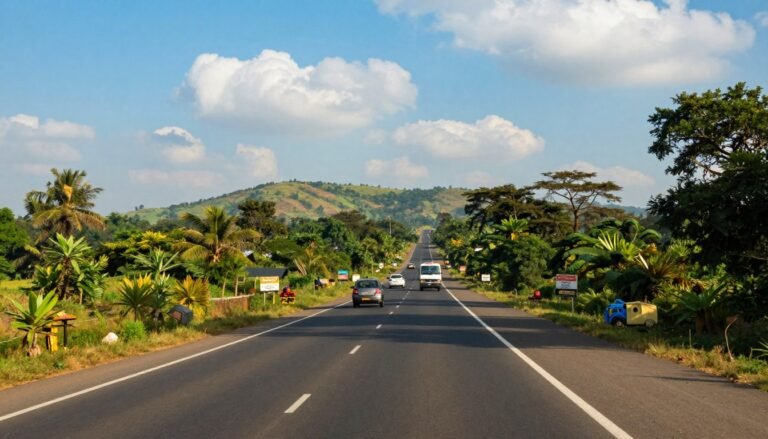
Best start time and realistic travel time: Aim to leave early morning so you reach the Bandipur check post well before the 9 PM closure window. Expect 7–10 hours total from Bangalore depending on traffic, meal breaks, and the slower pace through the ghat section. The ghat section feels slower because of tighter turns, more braking, and limited overtaking compared to highways.
Budget and stops
For an outstation private cab, choose between per-km or package rates. Add tolls (expect a few highway tolls) and a driver allowance (standard for overnight trips). Plan fewer, safer stops: a breakfast stop after 1.5–2 hours, a longer lunch before the ghats, then only essential breaks once the climb begins.
Booking checklist and benefits
- Confirm vehicle type and seat belts.
- Ask about driver rest policy and hill experience.
- Check whether tolls, parking, and permits are included in the fare.
Why pick a private cab: You get comfort for families, safer handling on twisty roads, and flexibility to stop at viewpoints. If you prefer a planned, door-to-door experience, Shivaroute Services can arrange a well-maintained vehicle with a hill-experienced driver and clear pricing. Always confirm key details in writing to avoid confusion later.
Choosing the right route into the Nilgiris mountains
Choosing the right path into the Nilgiris shapes how relaxed and safe your trip will feel. Below are the main approaches, with quick pros and cons to help you decide.
Bandipur–Gudalur–Ooty as the default choice
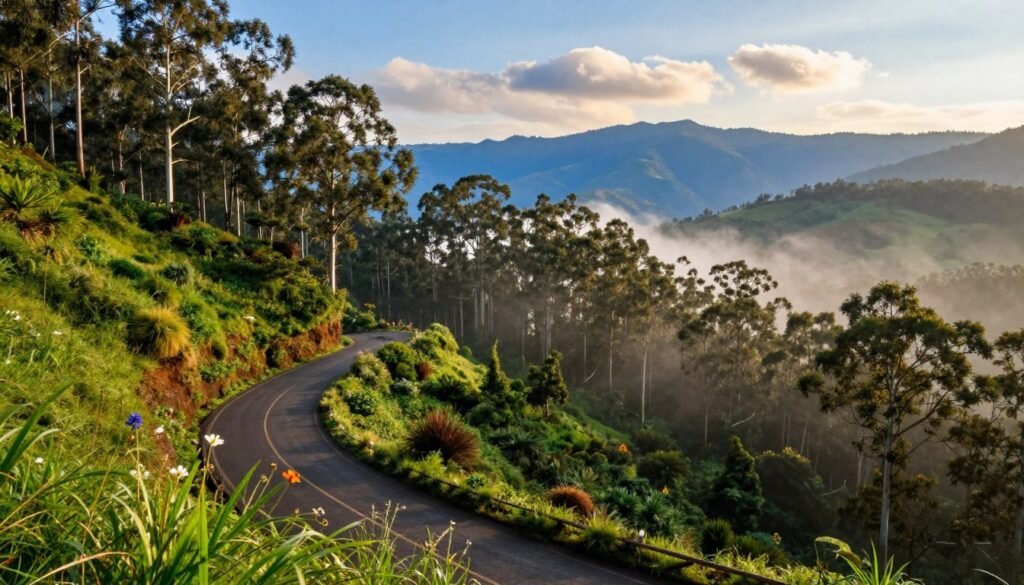
Best for most travelers: predictable conditions, fewer surprises, and a forest stretch where you may spot deer or elephants. Expect scenic eucalyptus runs, Needle Rock, and Pykara Lake along the way.
Bandipur check post timing and closures
Plan around the Bandipur check post closure: it shuts from 9 PM to 6 AM. Leaving early or timing breaks avoids being held at the gate late at night.
Masinagudi–Kalhatty shortcut
This saves about an hour but has ~36 hairpin bends and very steep gradients. It’s best for confident drivers in healthy vehicles and only in daylight. Many stretches restrict downhill traffic and close at night.
Coimbatore-side options
The Mettupalayam–Coonoor route is busy but well-maintained; the Kotagiri side is calmer with around four tight bends. Choose this side if you arrive from Coimbatore
Remote Mulli–Manjoor realities
Scenic but narrow with ~43 hairpin bends. Forest department posts (Karamadai/Mulli) may deny tourist access. Don’t rely on it unless you have permission.
- Compare time, comfort, bend intensity, and forest/check post limits.
- Families or those who want less stress: pick the standard Bandipur approach.
- If unsure: a private cab with a hill-experienced driver removes permit headaches and reduces fatigue.
ooty ghat road driving tips for first-time drivers
A short pre-drive routine and steady technique make steep stretches feel much easier for first-time drivers.
Service your vehicle before the climb: Check tire tread and pressure, inspect brake pads and brake response, confirm coolant and engine levels, and verify wheel alignment so your vehicle tracks predictably around bends.
Golden rule: always give way to uphill traffic. Let the vehicle coming up pass when safe — restarting on a slope is harder and keeps everyone moving smoothly.
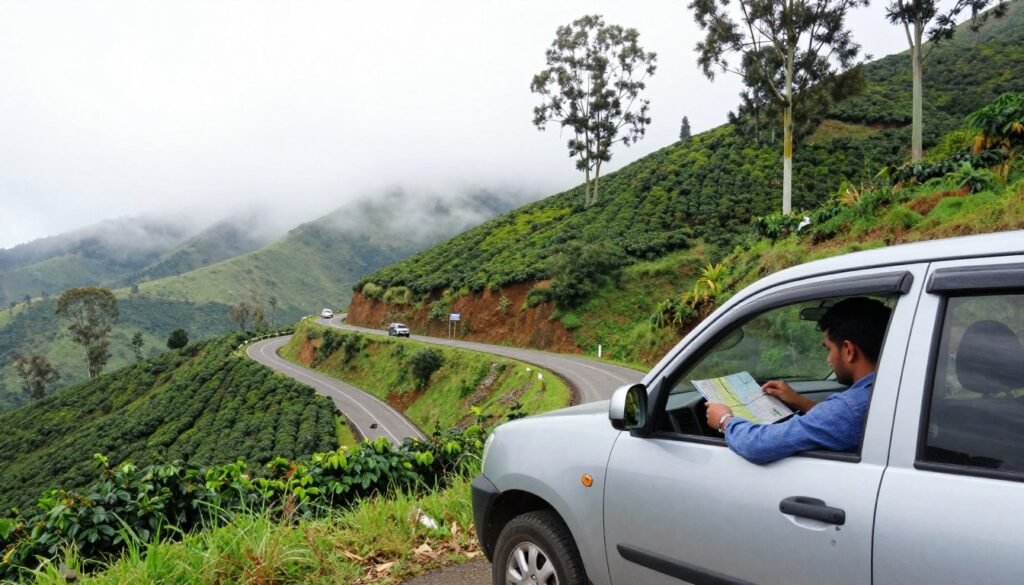
- Select the right gear: stay one gear lower than on flat roads. Use low gear uphill to avoid stalling and use it downhill for engine braking so you protect your brakes.
- Never coast in neutral: engine braking prevents brake fade. Constant braking on long descents overheats pads and can cause failure.
- Negotiate bends safely: slow early, keep your lane, don’t straight-line hairpin bends, and give a brief horn at blind turns so a vehicle coming the other way knows you’re there.
- Overtaking and distance: be patient around heavy vehicles. One polite honk is enough to let them know you want to let pass. Keep extra safe distance uphill and downhill; don’t tailgate.
- Stopping and night: only pull over where you are visible from a distance and outside any turning radius. At night use low beams, avoid high beams that blind others, blink briefly to signal, and stay alert with low cabin distractions.
Ghat-specific realities on the Bangalore-Ooty road
Steep switchbacks and long forest stretches change how you manage speed and rest stops on this corridor. Accepting a slower pace keeps the trip calm and safer for everyone.
Why hairpin sequences feel intense and brake overheating happens
Repeated slow-turn-accelerate cycles heat brake components fast, especially when drivers “ride” the pedal instead of using low gears. The Masinagudi/Kalhatty descent is a classic example; signage often warns to stay in 1st or 2nd gear.
Signs of overheating: a burning smell, reduced bite, and longer stopping distance. If you notice these, slow down, shift to a low gear for engine braking, and stop only at a visible, safe pull-off.
Forest stretches, check posts, and on-route behavior
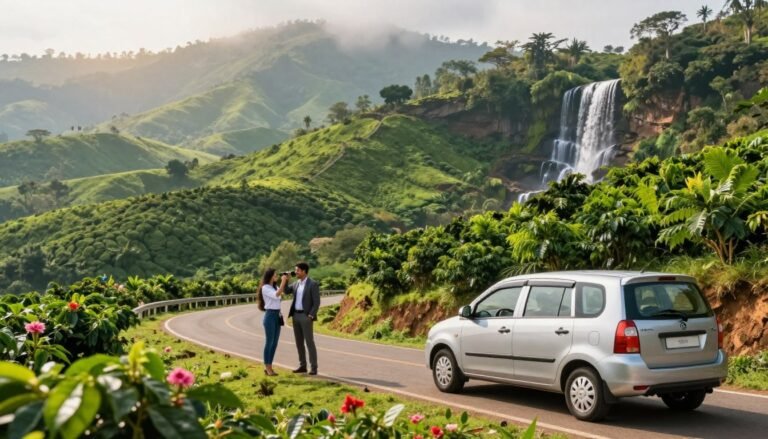
The Bandipur–Mudumalai forest section means shared space with wildlife. Maintain steady low speed, avoid unnecessary honking, and never stop in blind or narrow spots for photos.
- Plan around the Bandipur check post closure (9 PM–6 AM) so you don’t rush late at night.
- If you travel with elders, children, or a heavily loaded vehicle, choose the gentler approach instead of ultra-steep shortcuts.
- Family-friendly reminder: keep water and snacks handy and use restrooms before entering forest stretches.
Drive with discipline, use engine braking on long descents, and build time buffers for check posts. That way you arrive calm at your destination and reduce stress for people in the vehicle.
Arrive relaxed and ready: smart cab booking moves for a safer Ooty trip
A clear quote and an experienced driver are the easiest ways to reach the hills relaxed. Book when you or your group prefer not to focus on every bend—ideal for first-time ghat travel, family trips, or tight schedules.
What a clean quote should show: cab fare expectations (package vs per-km), toll charges, parking, any state entry fees, and driver allowance. Confirm the vehicle service condition, tire and brake checks, and the driver’s hill experience before you accept.
Private cabs give comfort and flexibility: stop at viewpoints, set meal breaks, and keep luggage secure. Ask the operator to plan your start time around check-post closures. Shivaroute Services can arrange a transparent booking and polite drivers familiar with these roads so you reach your destination calm and ready.
Quick checklist: preferred route, start time, passenger needs, and stop preferences—share these at booking to avoid surprises.